News summaries compiled and published by The Toryū Team from public sources · 21 September 2026, 09:21 CEST

2026-09-08 · bujinkan.se
Exciting news for Bujinkan in Sweden: on behalf of Nagato-sensei, Sōke of Shinden Fudō-ryū, the Swedish Bujinkan Federation announces that a Japanese Dai Shihan will again visit Sweden. Nagato Taikai Stockholm will be held from 1 to 3 September 2028. The responsible organiser is Fredrik Markgren of Bujinkan Mutekatsu Hyōhō (Bujinkan Sundbyberg Mutekatsu Dōjō). More information will follow soon; the federation asks people to watch its channels and seminar listings. Written by Ken Banh and published 8 September 2026 on bujinkan.se.

2026-09-03 · webhiden.jp
On Sunday 4 October the 17th Japan Kobudo Exchange Embu Taikai will be held as an offering at Kashima Jingū in Kashima, Ibaraki, co-hosted by the Nihon Kobudo Association and the Japan Budokan. About 36 classical schools are listed, led locally by Kashima Shintō-ryū kenjutsu, with a temporary embujō in front of the main shrine. Opening ceremony is at 09:45, embu from 10:00, closing about 14:48. Admission is free. Schools named include Tenshin Shōden Katori Shintō-ryū, Hōzōin-ryū Takada-ha sōjutsu, Shindō Musō-ryū jōjutsu, and many more. Enquiries: Japan Budokan promotion section, TEL 03-3216-5134.

2026-08-29 · bujinkan.se
In mid-August Kan Junichi, soke of Gyokushin-ryū Ninpō and a senior student of Hatsumi Masaaki, held his first taikai outside Japan, in Ireland. Steven Hellingh of Bujinkan Stockholm Gyokuryu Dōjō describes a welcoming atmosphere that felt like a larger Honbu class. Training was structured around kihon, taijutsu, and weapons. A student from Japan showed the basic forms and translated; Kan then added kamae, kyojitsu, shizen no nagare, koppōjutsu, and henka. Hellingh says the teaching is concepts more than collecting techniques: first have a base, then dare to leave it. Be humble, he says, and just go.

2026-08-25 · bujinkan.se
When this 25 August interview ran, under a month remained before the Swedish Bujinkan Federation camp in Nynäshamn. The page still lists registration by 30 August at [email protected]; the fee is 300 kronor. Instructor Magnus Minghetti says the theme is Bujinkan in everyday life, but the organiser has been secretive, so even the instructors know little. He suspects confined spaces, seated work, ground fighting, one against many, and improvised weapons. He calls the camp a low-cost meeting place and cites Hatsumi Sensei's networking as one of Bujinkan's six treasures. Come train, he says: white belt or black, title or none.
2026-08-03 · toryu.se
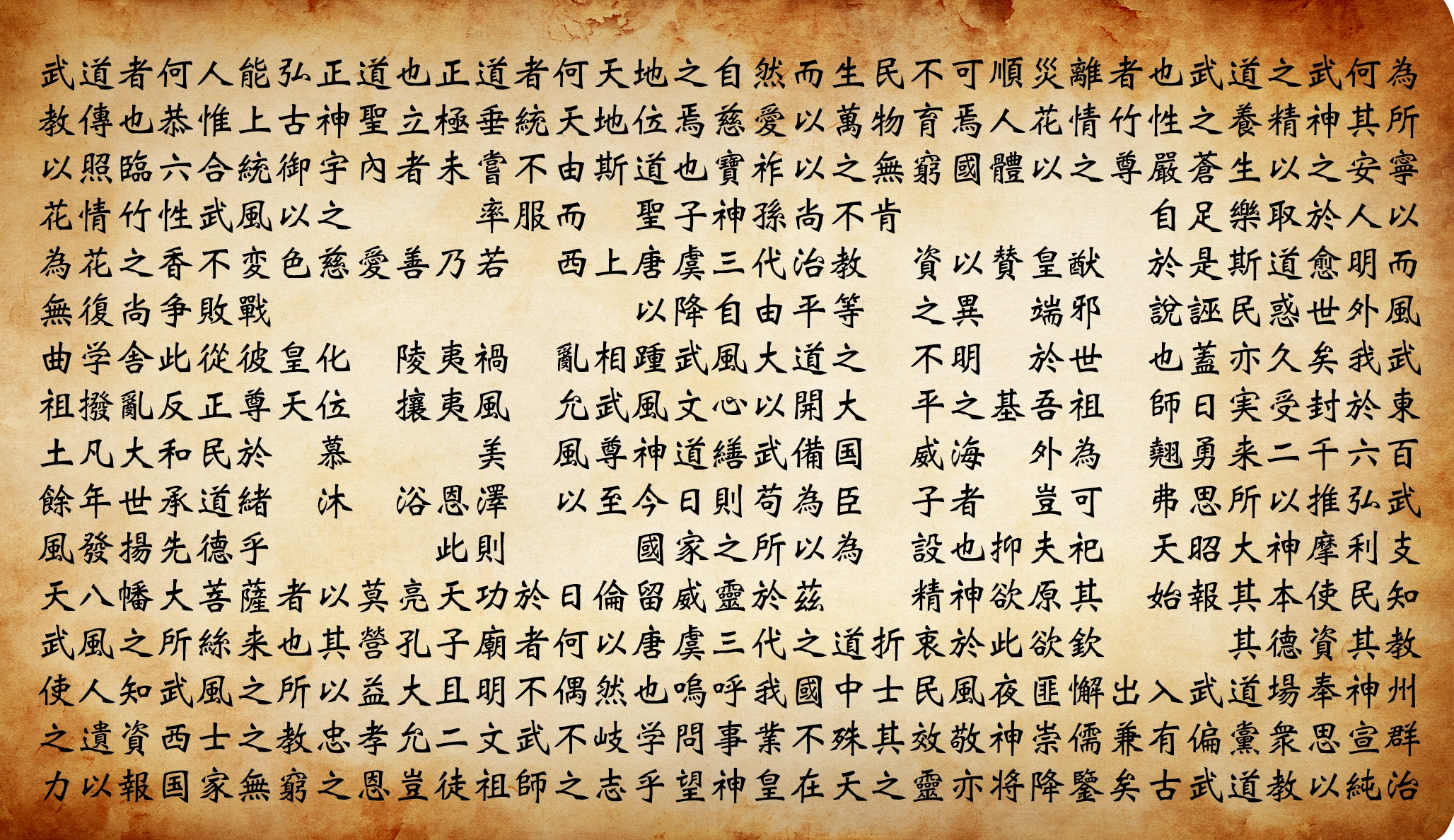
Toryū publishes Takamatsu Toshitsugu’s Bufū manifesto, a classical kanbun martial text that rewrites the 1838 Kōdōkan-ki of Mito domain. Takamatsu kept the structure and elevated diction of Tokugawa Nariaki’s founding school charter, but replaced “promoting the Way” with Budō and Bufū—the martial wind. Political Confucian references become statements about transmitting true Budō. The colophon says the 33rd-generation Togakure-ryū head wrote it carefully for Hatsumi Masaaki as 34th generation. The essay includes a full English reading, the original kanbun, comparison notes, and the Kōdōkan-ki source text.
2026-07-26 · toryu.se
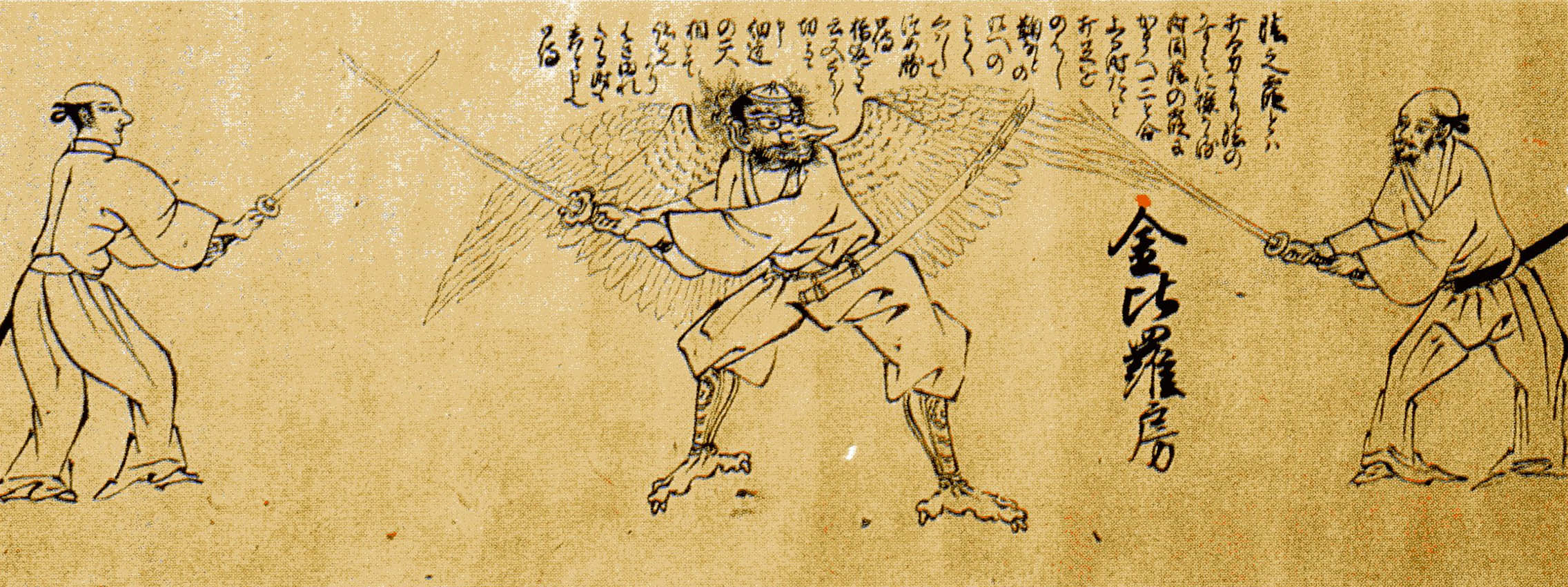
Toryū surveys how classical Japanese martial schools took their ryūgi-mei, drawing on Watanabe Tadanari’s Shinkage-ryū Dōgyō memoir. Early names often claimed gods, Buddhas, tengu, or dreams; others used places, founders, the prefix Shin (“new”), or titles bestowed by priests. Edo-period kenjutsu once numbered hundreds of styles; only a small number survive today. The essay also outlines the Owari Yagyū Shinkage-ryū Hyōhō line through Watanabe’s Marobashi-kai, stressing historical accuracy and the proper style name “Shinkage-ryū” rather than the popular but contested designation “Yagyū Shinkage-ryū.”

2026-07-07 · toryu.se
Toryū shares an 1816 Takagi-ryū Toribō scroll on cane and staff techniques, with photos of the makimono and a partial English reading. The preface lists Omote no Tsuji forms such as Go Hō, Migi Mi, Hidari Mi, Gyōgo Tō, and Shoku Kun, plus an Ura sequence. Staff lengths and a gokui note appear with a description of an unusual stick with eye-shaped holes and an inserted tantō. Presented for Bujinkan practitioners interested in Takagi-ryū jō/toribō material; translation caveats are stated on the page.