News summaries compiled and published by The Toryū Team from public sources · 14 September 2026, 09:19 CEST

2026-09-08 · bujinkan.se
Exciting news for Bujinkan in Sweden: on behalf of Nagato-sensei, Sōke of Shinden Fudō-ryū, the Swedish Bujinkan Federation announces that a Japanese Dai Shihan will again visit Sweden. Nagato Taikai Stockholm will be held 1–3 September 2028. The responsible organiser is Fredrik Markgren of Bujinkan Mutekatsu Hyōhō (Bujinkan Sundbyberg Mutekatsu Dōjō). More information will follow soon; the federation asks people to watch its channels and seminar listings. Written by Ken Banh and published 8 September 2026 on bujinkan.se.

2026-09-03 · webhiden.jp
On Sunday 4 October the 17th Japan Kobudo Exchange Embu Taikai will be held as an offering at Kashima Jingū in Kashima, Ibaraki, co-hosted by the Nihon Kobudo Association and the Japan Budokan. About 36 classical schools are listed, led locally by Kashima Shintō-ryū kenjutsu, with a temporary embujō in front of the main shrine. Opening ceremony is at 09:45, embu from 10:00, closing about 14:48. Admission is free. Schools named include Tenshin Shōden Katori Shintō-ryū, Hōzōin-ryū Takada-ha sōjutsu, Shindō Musō-ryū jōjutsu, and many more. Enquiries: Japan Budokan promotion section, TEL 03-3216-5134.

2026-08-29 · bujinkan.se
In mid-August Kan Junichi, soke of Gyokushin-ryū Ninpō and a senior student of Hatsumi Masaaki, held his first taikai outside Japan, in Ireland. Steven Hellingh of Bujinkan Stockholm Gyokuryu Dōjō describes a welcoming atmosphere that felt like a larger Honbu class. Training was structured around kihon, taijutsu, and weapons. A student from Japan showed the basic forms and translated; Kan then added kamae, kyojitsu, shizen no nagare, koppōjutsu, and henka. Hellingh says the teaching is concepts more than collecting techniques: first have a base, then dare to leave it. Be humble, he says, and just go.

2026-08-25 · bujinkan.se
When this 25 August interview ran, under a month remained before the Swedish Bujinkan Federation camp in Nynäshamn. The page still lists registration by 30 August at [email protected]; the fee is 300 kronor. Instructor Magnus Minghetti says the theme is Bujinkan in everyday life, but the organiser has been secretive, so even the instructors know little. He suspects confined spaces, seated work, ground fighting, one against many, and improvised weapons. He calls the camp a low-cost meeting place and cites Hatsumi Sensei's networking as one of Bujinkan's six treasures. Come train, he says: white belt or black, title or none.
2026-08-21 · toryu.se
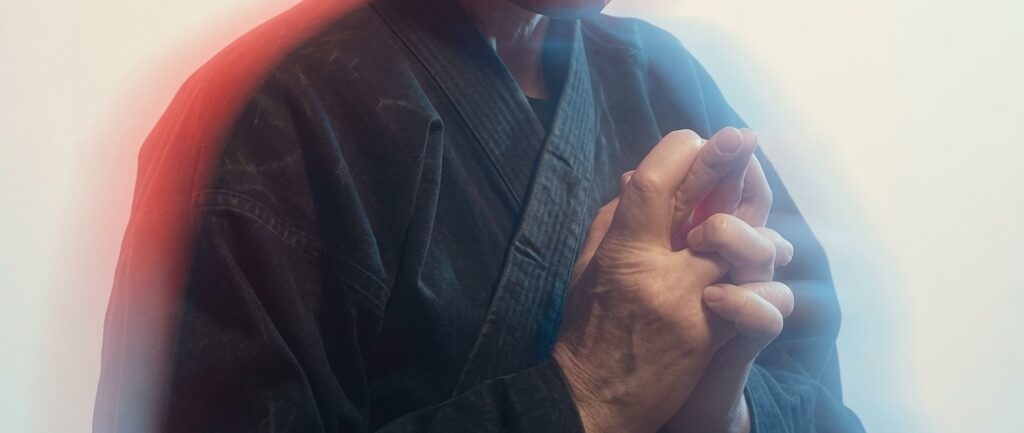
Toryū published a complete English translation of a 1698 handwritten Marishiten-hō manuscript, the Ritual Method of Marishiten. The eleven-leaf copy is held at Zentsūji in Kagawa and is digitised via the National Institute of Japanese Literature. A colophon says the elder monk Jōgon of Reiun drafted this copy in Genroku 11 from a 1628 transcription. The text mixes classical Japanese, kanbun, and Siddham, with mudrās, visualisations, and dhāraṇī. It includes the Antardhāna invisibility seal and a matching translation of the Buddha's Sūtra of Mārīcī, the goddess who travels before the sun and moon unseen.
2026-08-11 · toryu.se
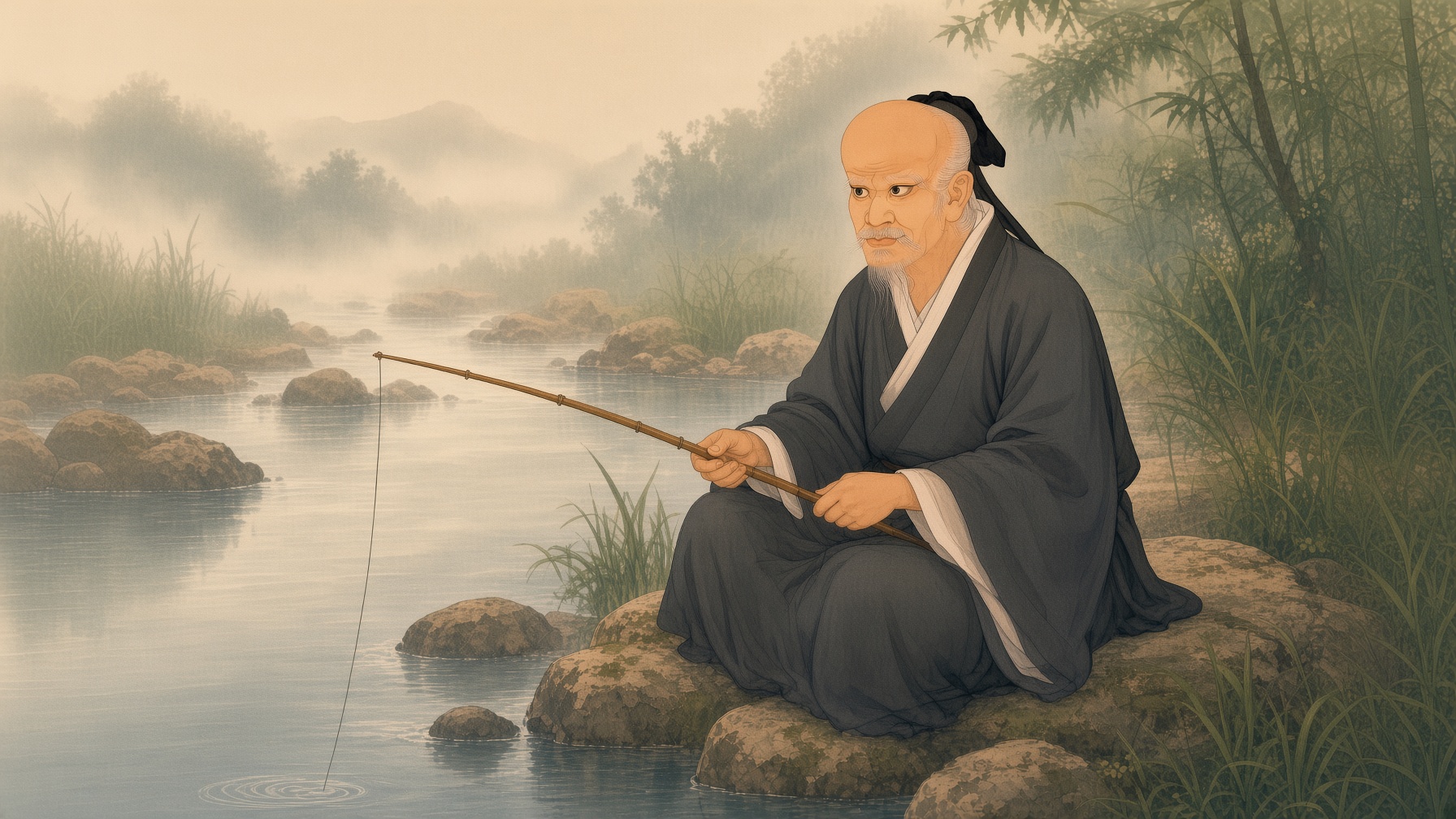
Toryū connects the Amatsu Tatara fish-belly scroll legend with the Chinese story of Lü Shang (Taigong Wang / Taikōbō), who fished for years with a bare thread until a carp rose carrying a book of military strategy. Both traditions speak of sacred strategic knowledge arriving from water, sealed inside a fish, then entrusted to rulers. Whether Amatsu Tatara inherited or only echoed that older current cannot be proved, but the resemblance invites the thought of a shared root. The essay retells the Wei River episode and how King Wen of Zhou sought the sage as advisor.

2026-08-05 · bujinkan.se
A week after returning from Seattle, Ken Banh of Bujinkan Norrköping reflects on Shiraishi Sensei’s first U.S. taikai. He describes community forged when a key organiser fell seriously ill before the event and still attended without training. Participants from daishihan to a one-month beginner trained together and shared meals with Shiraishi Sensei. Visits to Bruce and Brandon Lee’s graves, Tai Tung restaurant, and Snoqualmie Falls framed the trip. Ken contrasts Scandinavian reserve with the open U.S. buyu culture, and notes Shiraishi’s habit of greeting every person with a handshake.